Two New Reviews
 Of Mordake, not yet released:
The music is convoluted and tumultuous yet well ordered in its own fractal logics, the lyrics sung in English in Duykers' heroic exhortations ever attempting domination of the reedlike insinuations and madnesses of his sister, snakily evoked through Korporate Marionettes' devices to produce a mocking hectoring from Duykers' own vocal chords (remember, this is a solo opera!), the result effecting a personality split and schizophrenias effective on more than one level. On top, to the side, and underneath, Wold crafted a welter of environments leaping from harsh urgency to ambient tranquility shot through with muted echolalia—the bridge from Go Get Our Supper! to What Have You Done? being a great example.This daring purveyor of far horizons favors nightmare and the disturbing undermatrix of consciousness in his work, and Mordake is his most impressive evocation of that since Taking the Veil, to my mind stunningly high art…
 and the Missa, in the online review journal FAME:
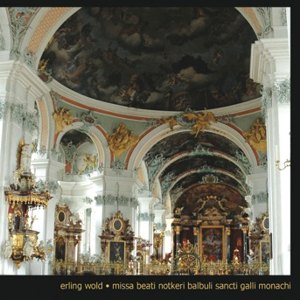
The voices are largely female and angelic in the extreme, male counterpoints recessed, with the cathedral's echo providing an expansive golden warmth to the massed encantings, a palpable feel of heavenly dimensions ... There are effulgent passages of Godly sentimentality but also the turbulence of the states between [Him] and man, reminders of our fall from Grace.
posted by Erling Wold at
3:07 PM
0 Comments
Links to this post


 Review of the Missa came out